
Associate Professor James Wells
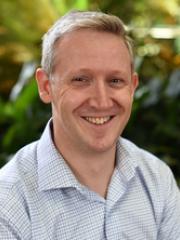
Associate Professor James Wells leads the Skin cancer immunotherapy group.
Research interests
The laboratory is interested in understanding novel extrinsic and intrinsic factors that regulate CD8 T-cell function in the skin. We are also interested in understanding how immunosuppressive drugs affect naïve and memory CD8 T-cell function in the skin. There are 4 major research themes in the laboratory.
Research projects
- Novel intrinsic pathways of CD8 T-cell regulation in the skin
- The role of CD4/CD8 double-positive T-cells in skin immunity
- The contribution of plasmacytoid dendritic cells to T-cell suppression
- The creation and testing of novel compounds that impact on T-cell function in the skin
Researcher biography
Associate Professor James Wells is an innovative cancer immunologist who leads the Novel Cancer Therapeutics Group at the Frazer Institute and serves as Director of Immunology at the Dermatology Research Centre, University of Queensland. His research programme is focused on deciphering the fundamental mechanisms that govern immune responses within tumours and translating those discoveries into transformative new cancer therapies. He has a particular track record in skin cancer and an expanding portfolio of novel therapeutic approaches across oncology more generally.
A/Prof Wells has secured over $7.6 million in competitive funding as lead investigator from the NHMRC, ARC, US Department of Defense, Cancer Council Queensland, NFMRI, and international sources. His body of work spans 111 peer-reviewed publications cited over 3,115 times, with 5.8% ranking in the top 5% most cited globally (SciVal). His influence extends across 26 disciplines beyond medicine, including biochemistry, genetics, molecular biology, and neuroscience, and his research has been featured 42 times in leading media outlets including New Scientist, Forbes, MedicalXpress, and EurekAlert!. He holds two patents and has completed advanced commercialisation training through QUT's Bridge Program.
Biography
A/Prof Wells completed his PhD in cancer immunotherapy at King's College London, followed by postdoctoral training at Harvard Medical School, where he founded a new orthopaedic oncology research programme, secured independent grant funding, and was recognised with a Research Excellence Award and promotion to Faculty as Instructor of Orthopaedic Surgery within just two years. In 2011, he was recruited to the University of Queensland by Professor Ian Frazer AC, co-inventor of the human papillomavirus vaccine, to establish and lead an independent cancer immunology laboratory, supported by a prestigious five-year Perpetual Trustees Fellowship.
Key Discoveries
A hallmark achievement of A/Prof Wells' laboratory is the discovery and patenting of Q-2361 — a world-first topical antagonist of the immunosuppressive drugs tacrolimus, sirolimus, and everolimus. Q-2361 is a first-in-class drug candidate designed to combat the huge issue of skin cancer development in immune suppressed solid organ transplant recipients through the reactivation of anti-tumour CD8 T cells locally in the skin without disturbing systemic immunosuppression or risking graft survival. Preclinical proof-of-concept studies demonstrated 100% tumour regression, and Q-2361 is now advancing through formulation towards IND-enabling studies and first-in-human clinical trials. This research programme was supported by an NHMRC Development Grant and an NFMRI grant. Building on this translational foundation, A/Prof Wells now leads multiple drug discovery programmes targeting cancer beyond the skin.
Research Training
A/Prof Wells has trained more than 55 students and trainees, including PhD graduates who have gone on to postdoctoral positions at the NIH, UCSF, The Scripps Research Institute, and the University of Cambridge. He serves as Vice President of the Molecular and Experimental Pathology Society of Australasia and regularly reviews grants for the NHMRC, ARC, MRC (UK), Wellcome Trust/DBT India Alliance, and Health Research Council of New Zealand.
Research Areas
- Cancer immunology and immune-based cancer therapy
- First-in-class drug discovery and translational oncology
- T cell regulation in tumours and the immune microenvironment
- Targeted therapy for immunosuppressed patients with skin cancer
- Novel metabolic and immune targets for pan-cancer therapeutics
James would like to thank the granting bodies and philanthropic partnerships that make his goal of delivering new and effective cancer drugs possible.